A pioneering Brooklyn-based performance nonprofit founded in 2003, ISSUE presents projects by interdisciplinary artists that expand the boundaries of artistic practice and stimulate critical dialogue in the broader community. ISSUE serves as a leading cultural incubator, facilitating the commission and premiere of innovative new works spanning genres of music, dance, literature and film.

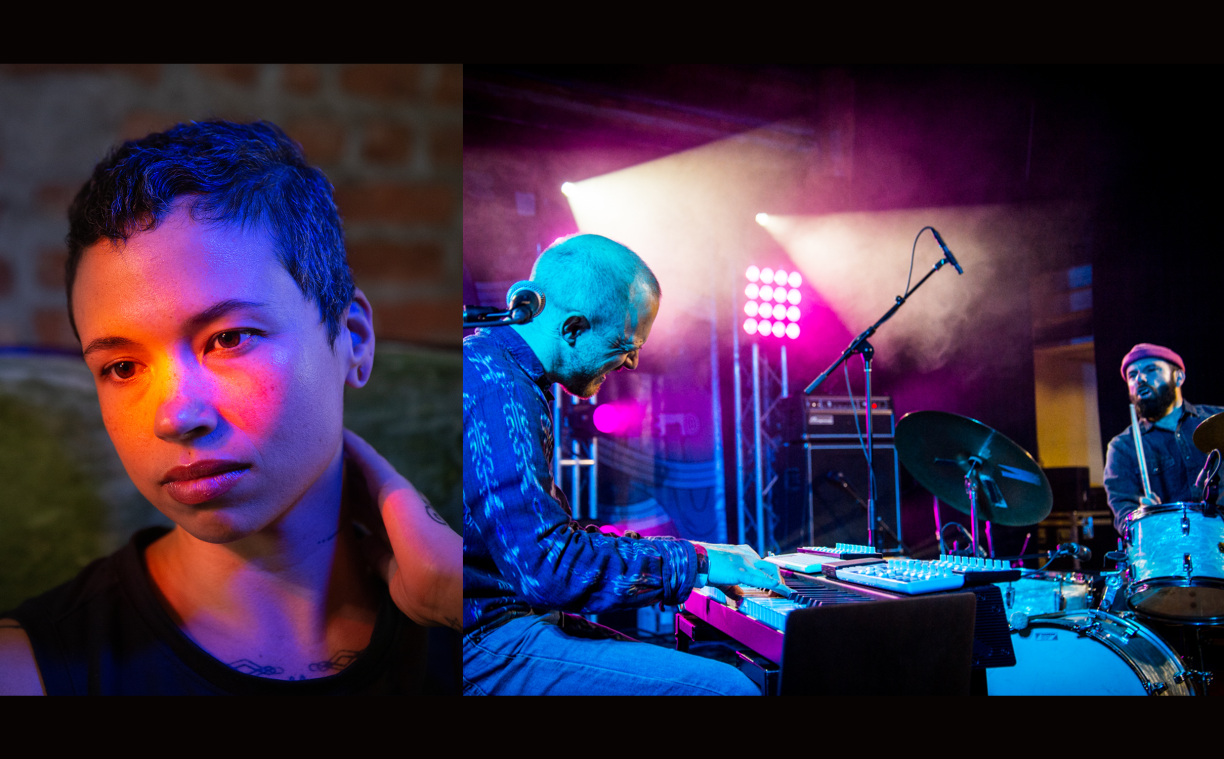
Holland Andrews / Methods Body
22 Boerum Place, Brooklyn 11201
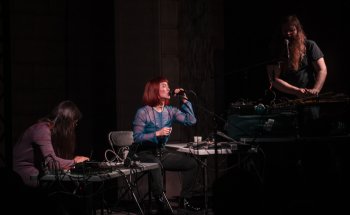
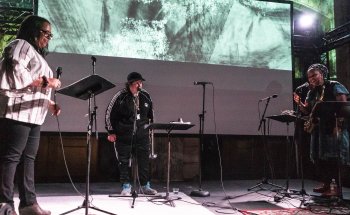
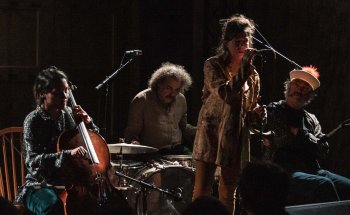
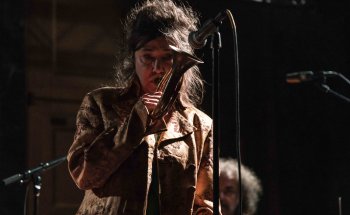
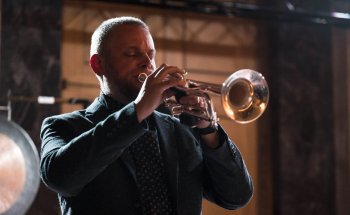
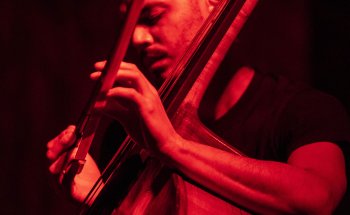
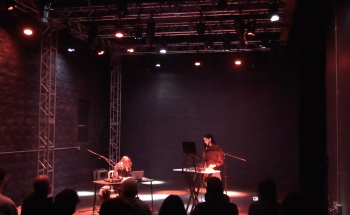
Holland Andrews (2020 ISSUE Artist-In-Residence) returns to the 22 Boerum Pl. theater with Portland-based sound artists Methods Body to present solo performances, plus the world premiere of their collaboration, REMAIN.
More Tickets
Front Splash Block - 1
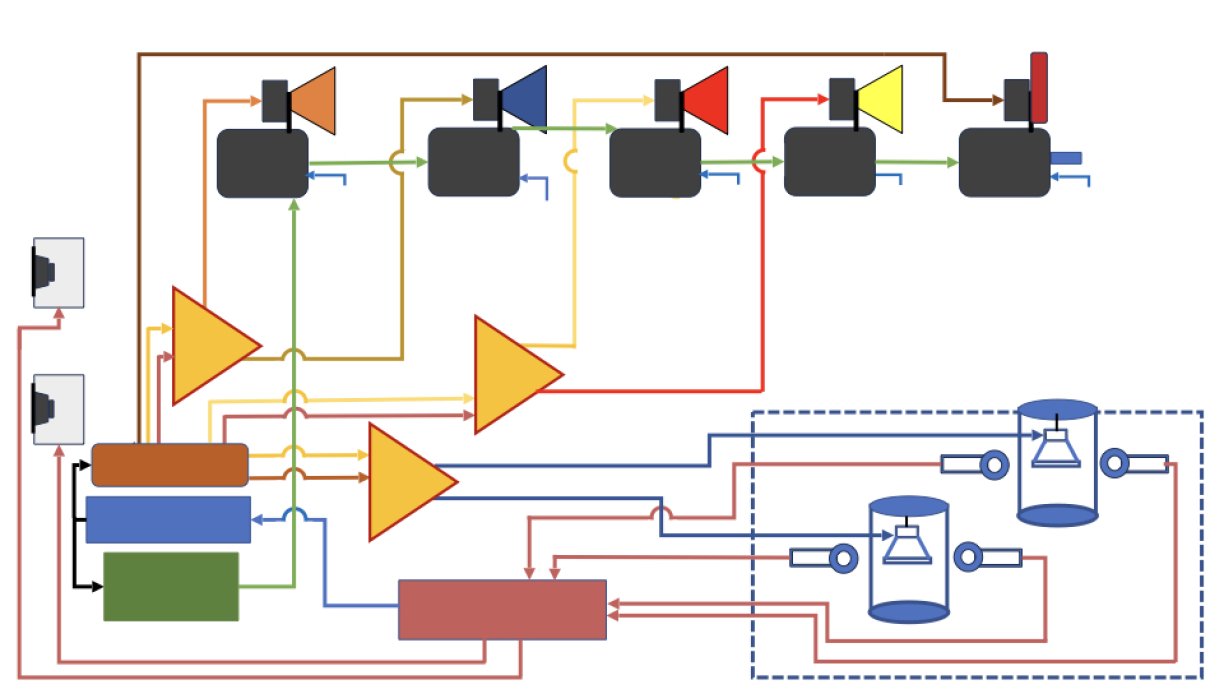
Cecilia Lopez & John Driscoll: Gestures/Murmurations
22 Boerum Place, Brooklyn 11201
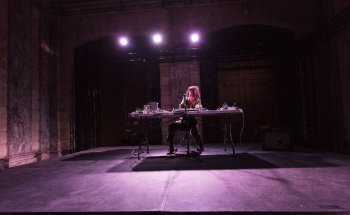
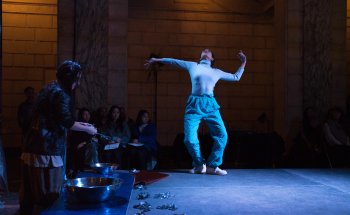
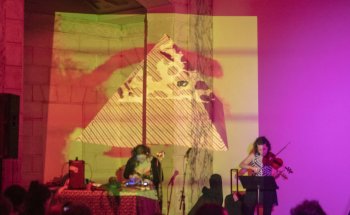
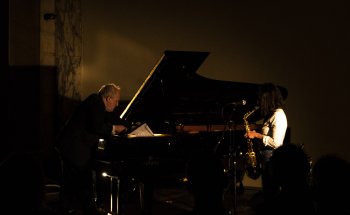
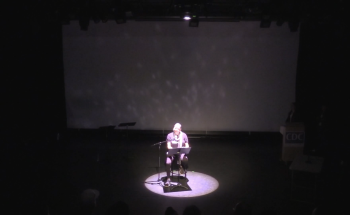
ISSUE invites our community in partnership with Harvestworks Digital Media Arts Center and Fridman Gallery to the 22 Boerum Pl. theater to explore the evolution of Gestures/Murmurations by sound artists Cecilia Lopez & John Driscoll.
More Tickets
In the news


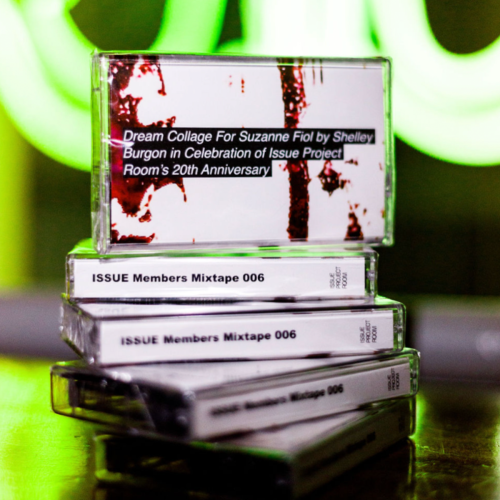
ISSUE Member Mixtape 006: Shelley Burgon
Limited Edition Cassette ,
Each year, ISSUE Project Room commissions and creates a limited edition Mixtape for the organization’s members. ISSUE is pleased to announce that our 20th Anniversary Member Mixtape will feature harpist, composer, sound artist, and longtime ISSUE collaborator Shelley Burgon. The Mixtape features performances from ISSUE’s archive with additional computer processing by Burgon. Each Mixtape comes with a digital download and a J-Card designed by the artist.
ISSUE Member Mixtape 005: Vanessa Rossetto
Limited Edition Cassette ,
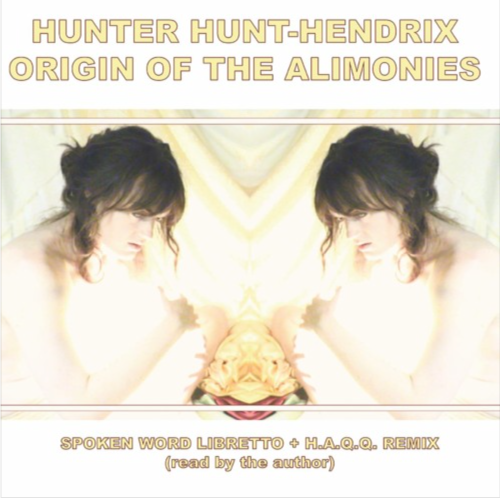
ISSUE is pleased to offer Members a new limited edition Mixtape by composer, musician, artist, and philosopher Hunter Ravenna Hunt-Hendrix—known for her “transcendental black metal” project Liturgy. The tape is ISSUE's fifth physical mixtape with digital download and features Hunt-Hendrix performing a philosophical reading of the libretto for Liturgy's Origin of the Alimonies laid over a glitch soundscape composed of source material from Liturgy’s fourth album H.A.Q.Q. Each mixtape comes with a digital download and a J-Card designed by the artist.
ISSUE Member Mixtape 004: Embaci
Limited Edition Cassette ,
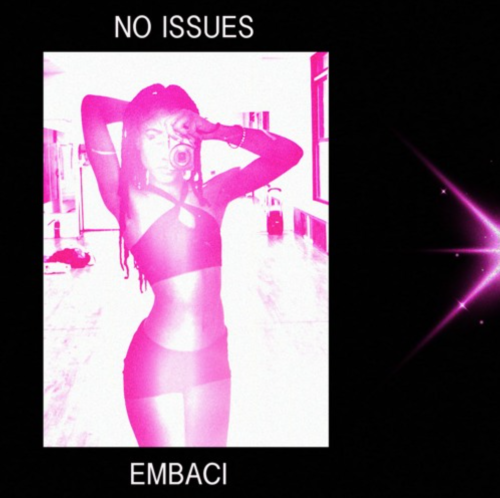
ISSUE is pleased to offer Members a new limited edition Mixtape by Brooklyn-based vocalist and producer Embaci, our fourth physical Mixtape with digital download. The tape features remixes by Nidia Minaj, and Ashanti, acapellas by Missy Elliot, and features from Air Max '97, E+E, and more, plus a J-Card designed by the artist.
ISSUE Member Mixtape 003: Cory Arcangel
Limited Edition Cassette ,
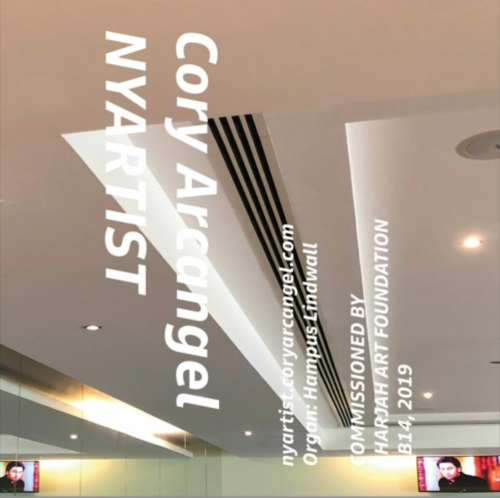
ISSUE is pleased to offer Members a new limited edition Mixtape by multimedia artist Cory Arcangel, our third physical Mixtape. The tape features an unreleased recording of NYARTIST (2019). For the project, Arcangel composed an algorithmic score for pipe organ—located at nyartist.coryarcangel.com—and an iteration of this score was recorded by organist Hampus Lindwall. For this Mixtape, the pipe organ piece is surrounded by EDM tracks by Zoie Makes Noise, Xentia, DemonDubz & Crysus, Comasleep, and more.
ISSUE Member Mixtape 002: Lizzi Bougatsos
Limited Edition Cassette ,
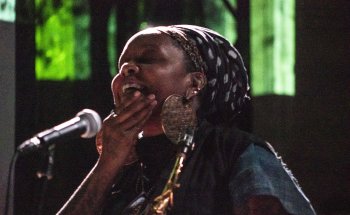
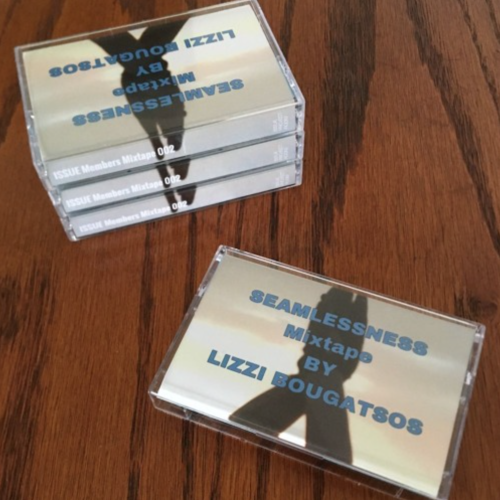
ISSUE's second Mixtape is by sound artist Lizzi Bougatsos. The tape is issued in a limited cassette edition and features Lonnie Holley, Louis Farrakhan's eulogy to Dick Gregory, new unreleased music from her band Gang Gang Dance recorded specifically for this tape, and others + a J-Card designed by the artist.
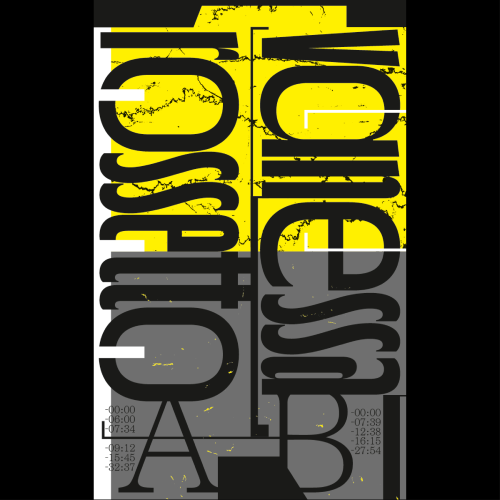
ISSUE Member Mixtape 001: Vanessa Rossetto
Limited Edition Cassette ,
This Mixtape is issued in a limited cassette edition, given freely and exclusively to ISSUE Members. The tape features Rossetto's signature found sound arrangement style, with cuts from Anne Gillis, Takahiro Hirama, Hans Krusi, Jean-Marie Massou and more. The tape features a J-Card designed by Anja Kaiser.
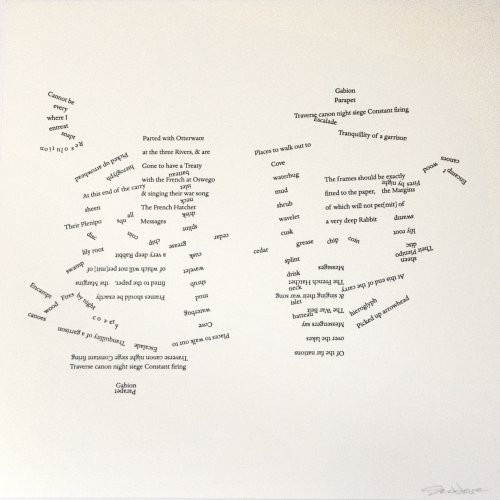
Susan Howe and David Grubbs: Thiefth
Special Edition Letterpress Print + LP ,
Originally released on CD in 2005 and out of print for a decade, Thiefth is the first of four collaborations between poet Susan Howe and musician David Grubbs. Limited to 100 copies, this special edition includes a 12x12 inch letterpress print by Susan Howe, produced by Grenfell Press, accompanied by a hand-stamped LP in letterpress sleeve.
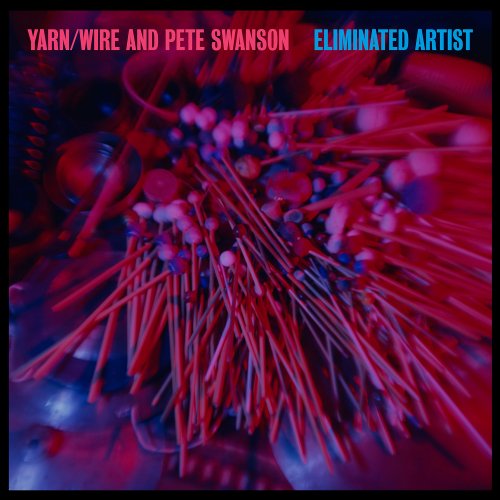
Yarn/Wire and Pete Swanson: Eliminated Artist
LP + Digital ,
Known for his uncompromising tape and synthesizer work, Pete Swanson has pushed the limits of electronic music since the early 2000s. Since stepping down as half of formative underground duo Yellow Swans, he has subverted the genres of noise and electronic dance music as a solo artist.
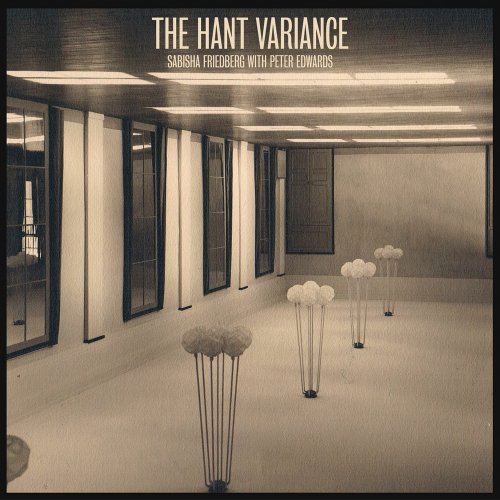
Sabisha Friedberg with Peter Edwards: The Hant Variance
2xLP ,
Sabisha Friedberg’s double LP The Hant Variance was recorded at EMPAC with Peter Edwards in a custom-tuned environment using advanced multi-channel recording techniques to capture a configuration of spatialized sound sources. Combining granular synthesis, analogue synthesizers, tone oscillators and field recordings, the composition is comprised of three movements.
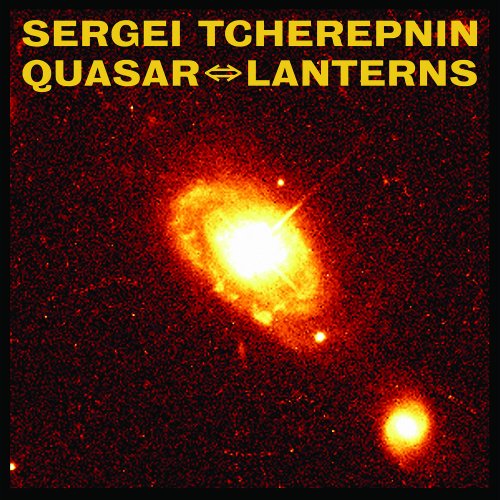
Sergei Tcherepnin: Quasar ⇔ Lanterns
2xLP ,
Sergei Tcherepnin’s Quasar ⇔ Lanterns was originally produced in 2009 as an 8-channel installation with Ei Arakawa at Künstlerhaus Stuttgart. Remixed to stereo for this release, Tcherepnin’s trio of works combine analog synthesizer recordings and other instrumental sources with field recordings captured during the artists’ travels to Turkey and Georgia.
Join ISSUE
Starting at $50, Memberships offer an array of benefits including:
- Two free tickets for events $15 and below,
- Discounts on all tickets and Distributed Objects releases,
- Exclusive pre-sales for events, and more.